Coaching as a bridge between people, contexts, and meaning
Coaching
Guest Profile
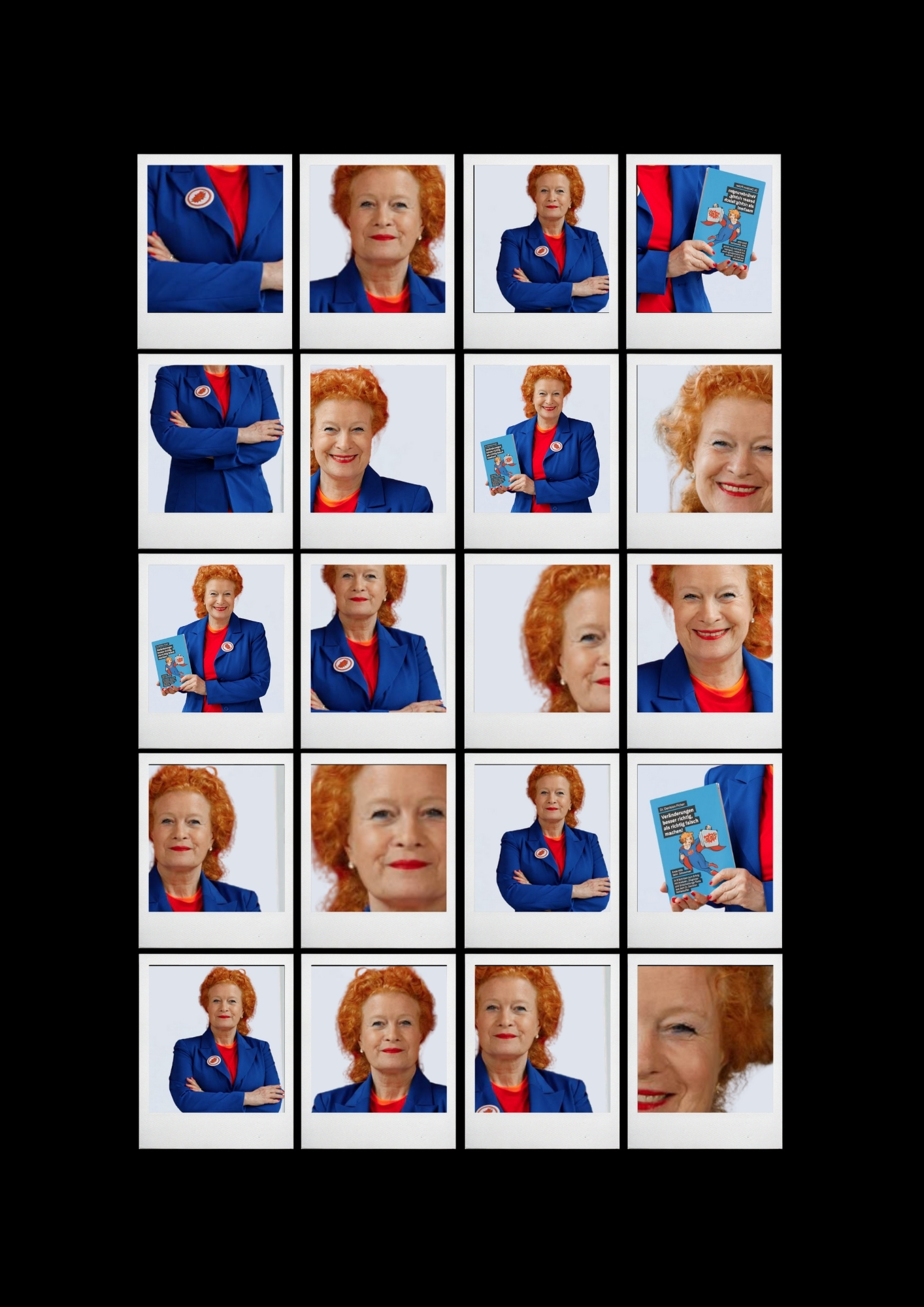
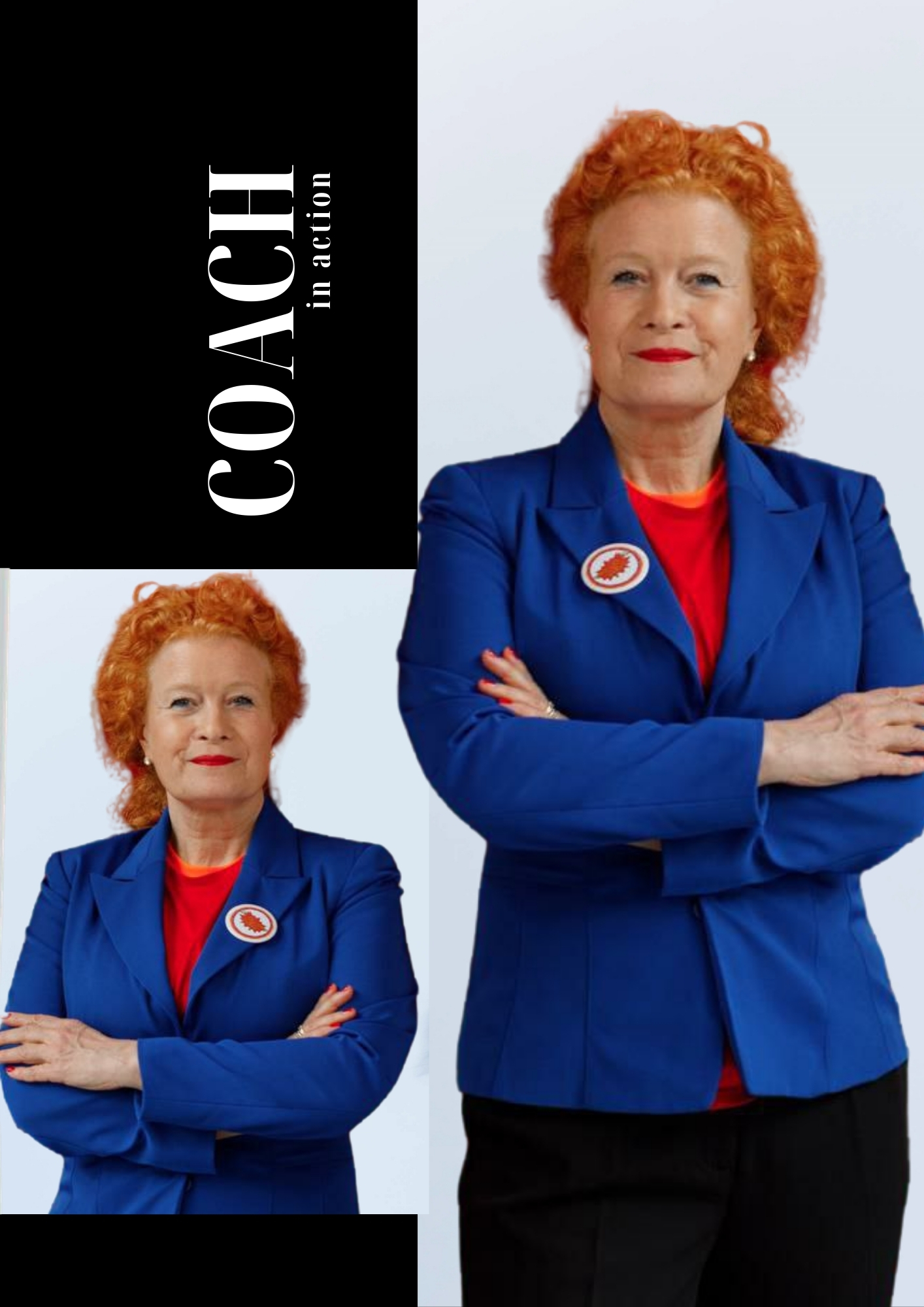
Name: Dr. Monika Picker, PCC
Occupation: Global Coach, Trainer, Business Specialist, International Export Consultant
Specialization: Personal and professional development of people and cultures; working with Hofstede’s “Cultural Dimensions” to better understand personal, national, and corporate cultures
Coaching Style:
Result-oriented: Focused on solutions and the future rather than the past.
-
Systemic: Aims to understand the systems and frameworks in which clients live and work.
-
Constructivist: Helps clients identify and challenge self-imposed beliefs and barriers that hinder their productivity, happiness, or authenticity.
Preferred Work Areas:
I work with individuals of all ages, backgrounds, and genders-anyone willing to reflect on themselves and step out of their comfort zone to achieve greater well-being in their personal and professional lives.
Values: Family, education, diligence, religion, trust, humor
Coaching, for her:
A great opportunity to discover more about well-being and personal growth potential.
Inspired by:
My husband and children, and my high school history teacher.
She believes that:
People are inherently good if they can overcome negative thinking. It’s important to understand Hofstede’s Cultural Dimensions. The first, Power Distance, refers to the degree to which a society accepts unequal distribution of power. For example, Austria-my home country-has a low power distance, while Moldova has a high one. High power distance cultures tend to be hierarchical, respecting authority and accepting inequality. In contrast, low power distance cultures promote equality and flat structures.
Power distance shapes how organizations are managed. High power distance leads to centralized decision-making and strict hierarchies; low power distance fosters participation and flat management structures.
Hofstede’s Power Distance Index (PDI) ranges from 0 to 100. For instance, Moldova scores 90, Austria 10. These differences can cause tension-which coaching can help navigate.
Another key dimension is Uncertainty Avoidance-how a culture deals with ambiguity and change. Cultures like Moldova (score: 90) prefer structure and clear rules; Austria (score: 53) is more flexible and open to ambiguity. These cultural dimensions apply not only nationally but also within organizations. Coaching brings awareness and fosters positive dialogue around these differences.
Other dimensions include Individualism, Masculinity, Long-Term Orientation, and Indulgence.
Certifications:
MCC – Solutions Focus Academy, Germany
Master Certified Coach (ICF MCC – in progress)
PCC – Professional Certified Coach, ICF Global
Business Coach Diploma – Vienna, Konas Consulting
PhD – History and Slavic Studies
Diplomas in Law and Theology – Vienna
Mission:
My company’s name, ALETHEIA, is Greek for “bringing out the hidden.” This includes the good and the bad-but it’s always worth it to better understand ourselves and others.
Professional Motto:
“Whatever you think, think the opposite.”
Never take things for granted-there may be something completely different behind someone’s actions. We judge based on our own experience, but that’s not necessarily the experience of others.
Interview
What does coaching mean to you?
Bringing out the best in a person.
How did you realize you wanted this path?
A Russian friend I reconnected with in China opened this path for me.
How did you discover ICF and what did it mean to you?
ICF brought professionalism to a field many assume they can enter without training. Bad coaching hurts credibility; ICF builds trust, sets standards, and fosters professional development.
What motivated you to pursue ICF certification?
I wanted to offer professional quality and support-ICF provides the “Gold Standard of Coaching” to prove that.
How has ICF training influenced your coaching style?
I started with ICF from the beginning. Their core competencies helped me a lot. I also gained many international friendships during my time as President of ICF Chapter Germany.
How did it feel to receive your MCC certification?
I received the MCC from Solutions Focus Academy, Germany. I’m still working toward the ICF Global MCC certification.
Biggest challenge coaching across cultures?
Coaching people with a Soviet background-they often fear their words will be misused. ICF ethics and confidentiality are crucial here.
Is there a universal coaching method, or must you adapt per culture?
There’s no one-size-fits-all. Each person and culture is unique. But coaching is consistent-it involves listening, not advising. I’m a sparring partner, helping clients identify patterns or limiting beliefs.
Do you adjust your coaching style per country?
No, but I sometimes need to explain more-some clients expect me to act as an expert. I’m not a therapist, mentor, or friend. I provide feedback and share observations-not solutions. This helps reveal inner blocks or contradictions.
How is coaching perceived in different cultures?
Some think it’s advice-giving or training. It’s important to clearly define my role and manage expectations.
A moment you felt you changed a life?
I love my work. A precious moment is when a client gains insight and shifts perspective. That’s when transformation happens.
Best coaching advice you ever received?
Work less-listen more.
How do you recharge after sessions?
Music and walking.
Advice for aspiring international coaches?
Coaching is more global now, but the market is crowded. Not all coaches maintain professionalism. Specialization matters more today.
How do you see coaching evolving?
Coaching demands self-reflection, discipline, and openness. Not everyone wants that. If coaching works well, clients may not even realize what the coach did.
The coach’s role is to hold the process-not take responsibility for the results.
Apps and bots may simulate coaching, but they lack empathy and honesty.
What message would you give to aspiring ICF coaches?
Coaching is young. ICF provides vital support, research, community, and supervision. It’s the gold standard. You can’t buy an ICF certificate-it must be earned through rigorous exams.
Think of it this way: you wouldn’t hire a fitness trainer without training, or let a stranger fix your car. Why entrust your personal growth to someone unqualified?
ICF protects both clients and coaches, with clear ethics and accountability.
Pop-Quiz
A choice is more than just an option
– it’s a message about our values and perspectives.
What will our guests’ choices say about them?
Let’s find out!
Monika, ready for the POP-Quiz challenge?
Absolutely! I’m curious to see what insights the challenge will bring. Let’s do this!
Moldova in 3 words?
Beautiful, wine, great people-but frumoasă also reflects a stereotype about women: look nice and don’t disturb. I’ve met many strong women here-leaders-and also men who still expect women to be only “beautiful.”
Favorite word in Romanian?
Frumoasă
Mountains or sea?
Both
Most unexpected habit discovered here?
The Monday after Easter celebrations-Austria has something similar in November, but it’s a sad, dark day. Here, it’s bright and full of life.
A small thing that brings you joy?
Flowers
Three things you never leave home without?
My backpack-packed with everything: business materials, clothes, etc.
A hidden talent?
Creating beautiful things with wood, paper, or any materials; decorating festive tables; knitting colorful bonnets inspired by art (Franz Marc, Picasso). I love art.
A book that changed you?
The Bible-and the theology books I studied. Being a believer isn’t just about feeling-it’s about understanding your faith and living it daily.
Sunrise or sunset?
Both, but maybe sunset-sharing it with friends and a glass of wine.
Three words that describe you in the morning:
Grumpy, need coffee, curious.
Coffee or tea?
Both-I drink both every morning. I have low blood pressure, so coffee is like tasty medicine.
A culture that changed your perspective?
Uzbekistan. I realized how connected we still are through the ancient Silk Road. Visiting cities like Samarkand, Bukhara, and Khiva was eye-opening. I also learned how quickly flourishing cultures can be destroyed-e.g., by Genghis Khan.
If you had a superpower?
I’d give people the ability to think positively about themselves-it would help them think positively about others too.
My real-life superpower is flexibility-I adapt quickly and am a highly structured organizer.
How would you feel participating in Minds of Coaching?
I’d feel calm and inspired at the same time. It’s wonderful to be part of a project that sparks creativity and also provides a warm, cozy space to connect with real, amazing people.
I’m truly grateful for the chance to be part of this journey.